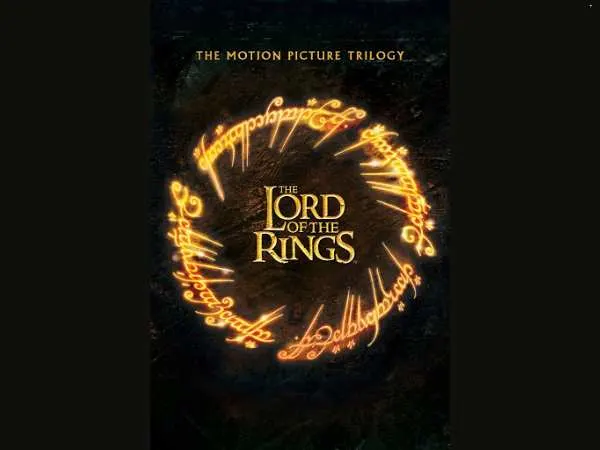
People searching the lord of the rings trilogy in order are usually stuck at the same crossroads. There isn’t just one way to watch these films, and every option online claims to be the “correct” one. Some guides push timeline accuracy. Others argue release order like it’s sacred law. Then there are fans who say you should skip entire movies depending on mood, patience, or tolerance for long runtimes.
I’ve watched these films in every possible sequence over the years. Alone, with first-timers, with people who swore they hated fantasy, and with fans who knew every line. The truth is simple but rarely stated clearly: order changes the emotional experience, not just the story logic. Characters land differently. Stakes feel heavier or lighter. Endings hit harder or fall flat depending on how you arrive there.
This guide breaks down every meaningful way to watch Middle-earth, explains why each exists, and helps you choose the one that actually fits your situation — whether this is your first visit or your tenth.
also read : – Ennui Inside Out: Meaning, Emotion, Color, Voice Actor, and Why This Character Matters
Why the Order Matters More Than You Think
Middle-earth is not structured like modern cinematic universes. These films were not built for hopping around. They were designed with patience in mind.
The emotional weight of The Lord of the Rings: The Return of the King only works if you’ve lived through the slow danger of the beginning. The darkness in later films feels earned only if you remember how safe the world once felt. Watching out of order doesn’t just confuse events. It flattens contrast.
Fantasy stories rely on buildup. This one relies on it more than most.
The Lord of the Rings Trilogy in Order of Release (Recommended)
The Lord of the Rings Trilogy in Order by Year
This is the order audiences originally experienced the story, and it remains the most effective way to watch.
1. The Fellowship of the Ring (2001)
The Lord of the Rings: The Fellowship of the Ring
This film does something rare. It invites you in slowly. The Shire feels warm and familiar. Danger exists, but it doesn’t dominate yet. You learn the rules of the world without being overwhelmed.
Characters are introduced with care. You understand who they are before you understand what’s at stake. That choice matters later.
Fellowship teaches you how to watch Middle-earth.
2. The Two Towers (2002)
The Lord of the Rings: The Two Towers
This is where the story fractures. Journeys split. Hope thins. The comfort of the Shire feels far away now.
The film assumes you already care. It doesn’t stop to explain motivations again. It deepens them. Battles arrive, but they feel tense rather than triumphant.
Two Towers only works because Fellowship laid emotional groundwork first.
3. The Return of the King (2003)
The Lord of the Rings: The Return of the King
This is not just an ending. It’s a release.
Every choice made earlier pays off here. Sacrifice feels heavy. Victory feels exhausting. Loss sits next to hope rather than being erased by it.
If watched in the correct buildup, this film hits with emotional force that very few trilogies ever achieve.
also read : – Dawson’s Creek, The Cast Who Defined a Teen Drama Era, and How Their Lives Shifted After the Series
Why Release Order Still Works Best
Release order respects how the story was structured emotionally. It assumes nothing. It rewards attention. It avoids overload.
For first-time viewers, this order delivers:
- Clear character introductions
- Gradual world-building
- Strong emotional payoff
This is the version that converts skeptics into fans.
The Lord of the Rings Movies in Chronological Order (Story Timeline)
Some viewers want the story told strictly by in-universe time. That’s where chronological order comes in.
Correct Order to Watch Hobbit and Lord of the Rings
- The Hobbit: An Unexpected Journey
- The Hobbit: The Desolation of Smaug
- The Hobbit: The Battle of the Five Armies
- The Fellowship of the Ring
- The Two Towers
- The Return of the King
This is the Lord of the Rings movies in chronological order according to Middle-earth history.
Why Chronological Order Is Not Ideal for First-Time Viewers
On paper, this order makes sense. In practice, it causes problems.
The Hobbit films were made more than a decade later. They assume familiarity with the world. They lean into spectacle. They stretch a short story into three long films.
Starting here can:
- Slow momentum early
- Dilute the mystery of the Ring
- Make the original trilogy feel heavier instead of earned
Bilbo’s story works better when you already know what the Ring becomes.
Where the Hobbit Trilogy Fits Best
The Hobbit films function best as context, not foundation.
They work well:
- After completing the LOTR trilogy
- During a rewatch
- When curiosity about backstory kicks in
Seen this way, the Hobbit becomes reflective rather than exhausting.
Theatrical vs Extended Editions: What to Choose
This question always divides fans.
Theatrical Versions
Best for:
- First-time viewers
- Shorter watch sessions
- Clear pacing
Extended Editions
Best for:
- Returning fans
- Lore lovers
- Slow, immersive viewing
Extended cuts add character moments and world detail, but they also add hours. For newcomers, that extra time often blunts momentum rather than enhancing it.
How the Tone Evolves Across the Trilogy
One reason order matters is tonal progression.
- Fellowship feels hopeful and exploratory
- Two Towers feels tense and fragmented
- Return of the King feels heavy and final
Watching out of order scrambles this progression. The emotional rhythm breaks.
also read : – Korea online Powerball game forum and community blog
Watching Based on Mood (For Repeat Viewers)
Once you know the story, flexibility opens up.
Some people revisit:
- Fellowship for comfort
- Two Towers for battle and tension
- Return of the King for emotional closure
This works only after the full narrative has settled.
How Long It Takes to Watch Everything
Theatrical versions:
- LOTR trilogy: ~9 hours
- Hobbit trilogy: ~8 hours
Extended versions:
- LOTR trilogy: ~11–12 hours
- Hobbit trilogy: ~9 hours
Watching all six extended films back-to-back pushes beyond 20 hours. That’s not casual viewing. Pace yourself.
Common Mistakes New Viewers Make
A few traps show up often:
- Starting with the Hobbit
- Mixing extended and theatrical versions randomly
- Treating the films as background noise
These movies reward attention. Distraction weakens impact.
Why Middle-earth Still Feels Different
Modern franchises train viewers to expect constant escalation. Middle-earth resists that.
It values:
- Quiet moments
- Earned heroism
- Consequences that linger
That’s why order matters. This story isn’t modular.
also read : – Kissanime – The Best Alternative Site For Watching Anime Movies
FAQs
What is the lord of the rings trilogy in order of release?
Fellowship of the Ring (2001), The Two Towers (2002), The Return of the King (2003).
What is the lord of the rings trilogy in order by year?
The trilogy released annually from 2001 to 2003 in the same sequence.
What is the correct order to watch Hobbit and Lord of the Rings?
Chronologically, the Hobbit trilogy comes first, followed by the Lord of the Rings trilogy.
Should first-time viewers watch the Hobbit first?
No. Watching the Lord of the Rings trilogy first offers better pacing and emotional payoff.
Are the extended editions necessary?
They add depth but work best after completing the theatrical versions.
Final Words
The lord of the rings trilogy in order isn’t about rules. It’s about rhythm, patience, and payoff. Release order gives the story room to breathe. Chronological order adds context later, once curiosity replaces confusion.
If you want Middle-earth to feel vast, earned, and emotionally grounded, start where the journey was meant to begin. Everything else can wait.